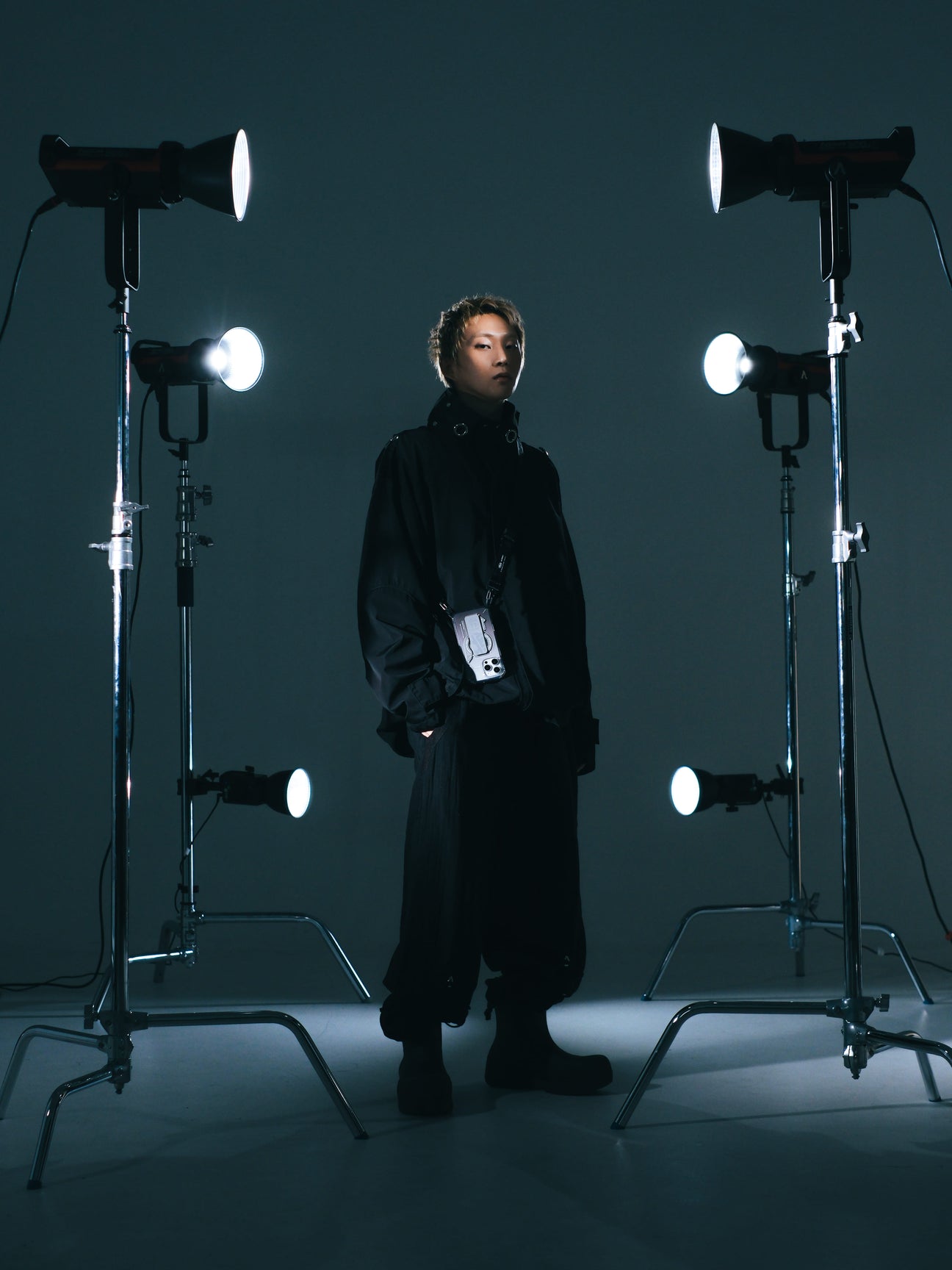
Two people can wear objectively expensive, well-made pieces and still land in different categories. One can look properly styled while the other looks like they had five minutes to grab whatever they could before the buzzer. The secret to cracking it? Math. We know that isn’t the answer you were expecting—but let us explain.
The Difference Between a Fit and a Pile of Good Clothes
Said math is simply repetition. A color, texture, shape, or finish starts to create a through-line once it appears across several parts of the outfit. Sometimes the connection is obvious, sometimes your eye catches it before you do—silver hardware on a belt, watch, and bag, or one shade resurfacing from cap to graphic to sneaker.

That relationship is what gives a fit structure. Without enough visual links, strong pieces can start competing for top billing, and suddenly the fit feels more like a drop list. In contrast, repetition gives them a shared vocabulary. This makes the outfit easier to take in and, more importantly, easier to build.
The Rule of Three
Stylists call it the Rule of Three. A repeated detail needs to show up at least three times in an outfit to register as a decision. The first sign catches the eye, the second builds continuity, and the third turns that continuity into a perceivable system. That’s where the intention becomes clear.
Color
One shirt in a color is nothing. That same shade showing up again on a shoelace, a cap, or a bag turns it into a recurring cue, and the eye picks up on that even before it can explain why. It doesn’t need to be an exact match either. A rust orange bag next to a burnt orange sneaker still counts, since the eye registers family before it senses precision.
Shape
Shape repeats less often but does more when it does. A rounded bag next to rounded sneaker toes, or a boxy jacket next to a boxy bag, builds a rhythm that a straight silhouette paired with a curved one just doesn’t. Skate culture ran on this for decades: baggy pants and an oversized tee sharing the same loose geometry from top to bottom, no exceptions.
We share more about shape in Styling With SKINARMA: How to Wear the JAX Collection With Just About Anything.
Material and Finish
Material repetition is the quietest one and the one that comes across as the most expensive, even when nothing in the outfit costs much. Canvas next to canvas. Matte next to matte. Brushed metal hardware on a belt matching brushed metal on a watch. Nylon runs deep in streetwear for a reason. Its technical finish already carries a certain visual language, so keeping it constant across a jacket and bag keeps the outfit speaking in the same register.
Graphics and Details
Graphics are the loudest repeat and the easiest to mess up. Two competing logos usually cancel each other out instead of working together. One motif, though, like a stripe, stitched detail, or specific font repeated across two separate pieces, signals which graphic detail the eye should treat as dominant. You never had to ask what the focal point of a varsity jacket was, did you?
Hack It With Accessories

Getting three repeats out of clothing alone means owning a lot of clothing, which isn’t realistic for most people’s closets. But accessories can close that gap fast. One small piece can carry the color, material, or hardware detail an outfit is otherwise missing.
-
A bag in a shade or material that already shows up elsewhere in the fit, doing the third repeat without adding a fourth color to track.
-
A lanyard worn around the neck or clipped to a belt loop, an easy way to repeat an accent color that’s otherwise just on the shoes.
-
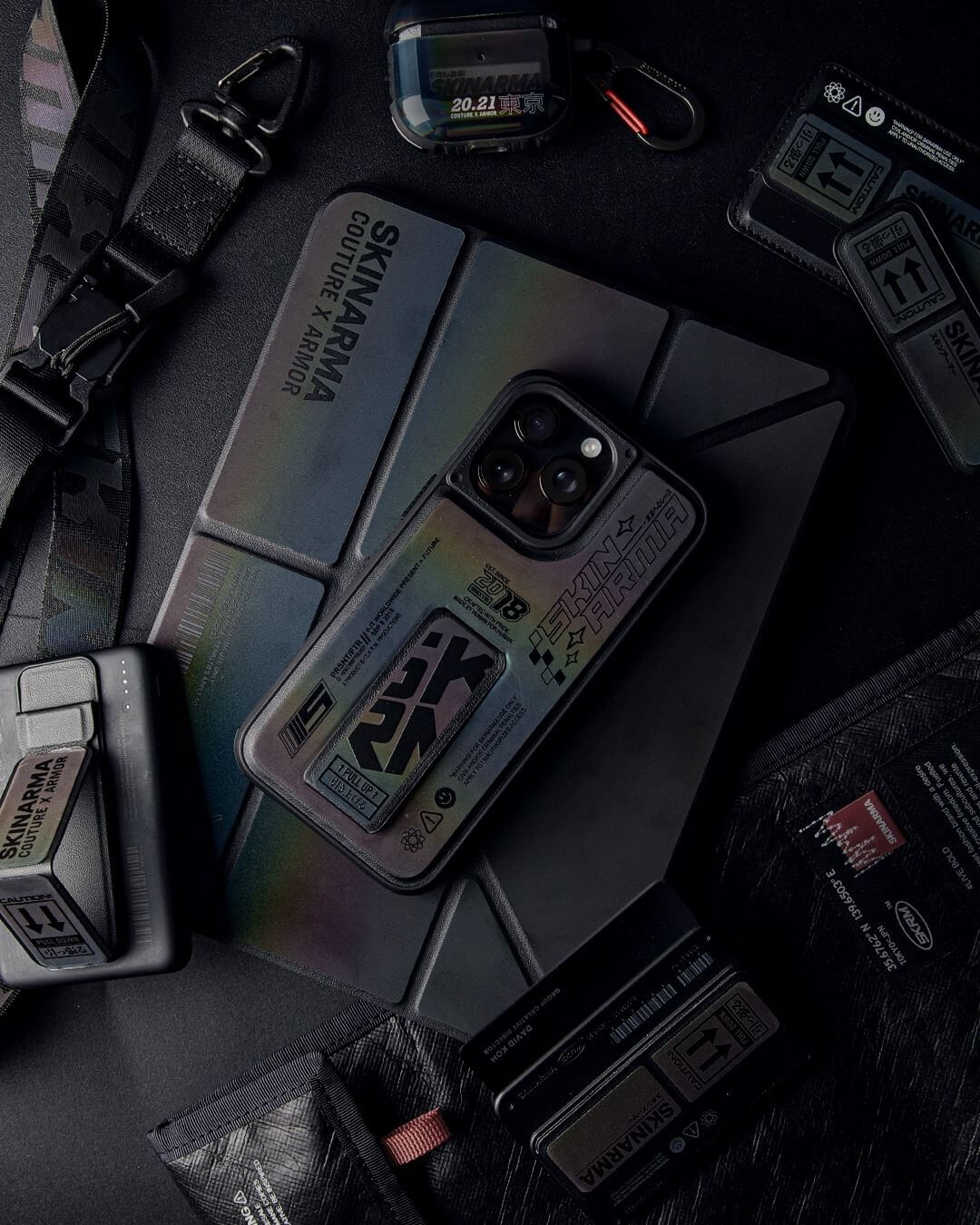
A phone case that mirrors a jacket’s material or finish, matte, metallic, carbon fiber, or translucent, turning something already in your hand most of the day into part of the fit.
-
A watch strap in a shade that echoes a shoe or cap, small enough to go unnoticed until it’s the detail that ties the outfit together.
-
An AirPods case. Yes, really. Especially when it’s clipped to a carabiner and part of the visible accessory mix.
If you’re a visual person like us, take a page from our Instagram, or from some of Slick Rick’s past looks. While we’re simply passionate and arguably still students in the game, Slick Rick’s well recognized as the godfather of hip-hop accessorizing. He pioneered the look of wearing stacks and stacks of massive dookie gold rope chains alongside giant medallion plates and a signature diamond-encrusted eyepatch. None of it matched in the traditional sense, but all of it repeated enough to turn abundance into a signature.
Pulling It All Together With SKINARMA

The issue with piecing together your outfit is that you still have to source the parts yourself. Style guides can curate an edit, moodboards can point you in the right direction, but neither can do much about the fact that the final combination lives in your hands.
That freedom to experiment with a kind of chaotic uniformity is built into SKINARMA. Across bags, phone cases, lanyards, AirPods cases, and other accessories, the same visual codes recur in different forms, from industrial finishes and technical materials to colors, hardware, and graphic details. The result is a system of pieces that can be mixed across categories without feeling overly coordinated.
You can follow one thread through the collection or make your own out of several.
Shop SKINARMA and see what’s worth repeating.