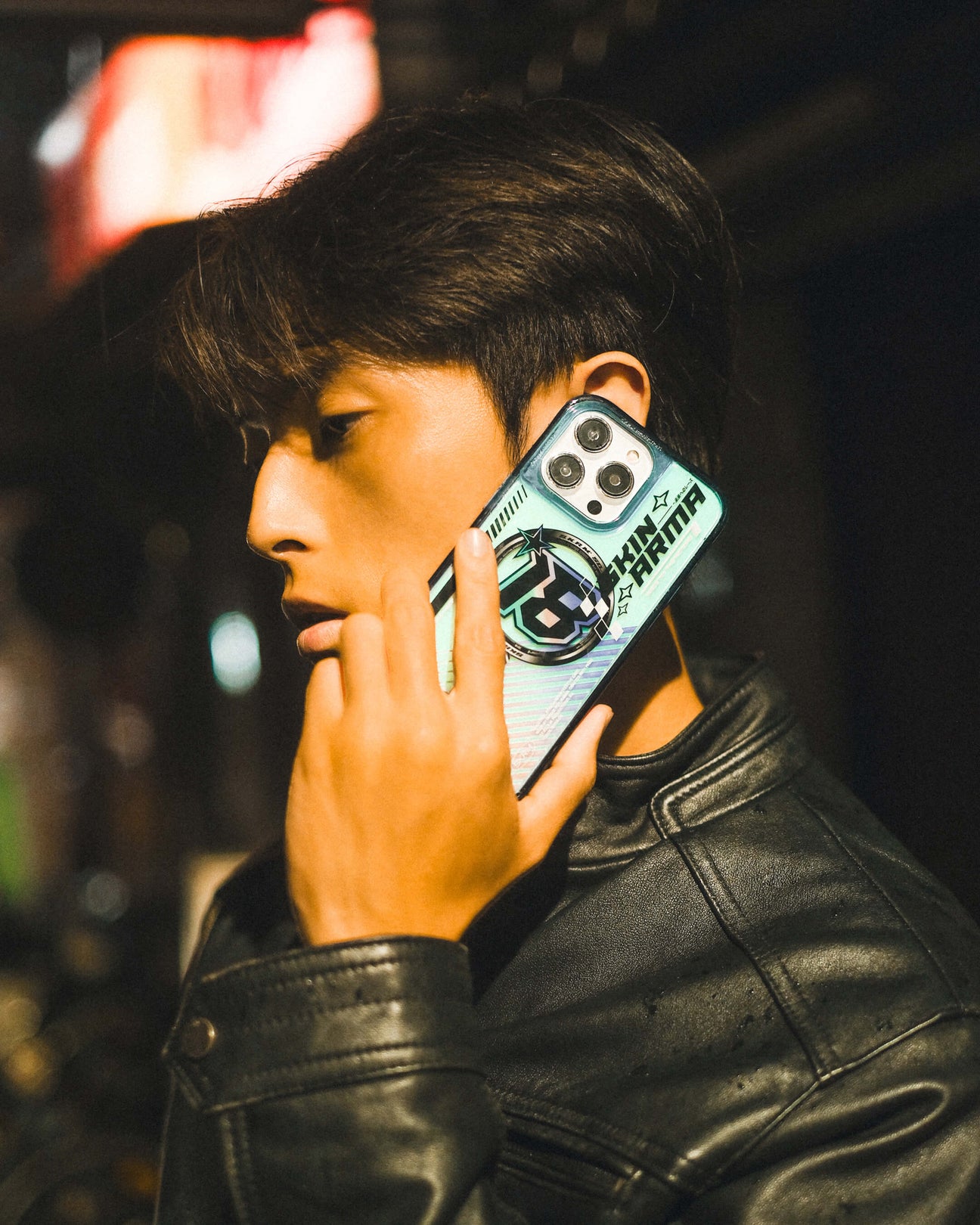
There is a generation entering the workforce that never learned how to dress for the office the old way—by virtue of watching, proximity, and absorbing the unspoken rules that circulate through shared physical space.
The pandemic took that apprenticeship away. When return-to-office mandates finally arrived, Gen Z showed up having formed their professional identities largely in isolation. The outfits that followed reflected the phenomenon, personal and contentious, and quite unlike anything that came before.
The Office Dress Code is Being Rewritten
For most of the 20th century, dressing professionally was less like a set of rules and more like a shared agreement. Industries had their uniforms, floors had their hierarchies, and the distance between what was acceptable on a Monday morning and what you wore everywhere else was chasmic. That rift was the point. Getting dressed for the office was a performance of seriousness. Especially to the higher-ups, it was a signal that you understood the terms of participation.
But under the table, that agreement is being renegotiated. The forces driving it are well-documented, with a decade of gradual casualization, a pandemic that severed the link between comfort and laziness for millions of remote workers, and a return-to-office moment that found companies and employees on different pages about what professionalism calls for. Dress codes have broadly relaxed across industries. Comfort and personal expression are steadily gaining ground as workplace values rather than liabilities. Even sectors that famously once had the most rigid expectations (finance, consulting, law) are increasingly treating smart casual as a working default. The suit isn’t doomed. But its claim to be the only definition of professional is.
Workfits Are Starting to Look Like Actual Fits

It wouldn’t have been entirely accurate to say that standards have relaxed. But surely, the logic behind getting dressed has changed. Gen Z workers are not dressing “carelessly”. In fact, they are dressing deliberately, with a specific aesthetic framework in mind, and one that draws little distinction between how they present themselves at work and how they present themselves everywhere else.
The range of what that looks like is wide. On one end, you have the uniform dresser, the worker who has essentially adopted the Steve Jobs school of self-presentation—monochrome basics, Levi’s, a reliable sneaker, the whole thing assembled around consistency. The outfit is not supposed to be the most interesting thing about you. On the other end are workers layering chunky gold jewelry over structured blazers, pairing technical-fabric trousers with leather loafers and a crossbody bag, translating a distinct personal sensibility into a professional register.
What unites these approaches, across the full spectrum, is intentionality. The outfit is supposed to feel like the person wearing it.
What Makes a Workfit
A workfit is not a formula. What distinguishes it is the alignment between the piece, the person and the specific professional context they are navigating. The elements shift depending on industry and aesthetic, though a few do consistent work:
-
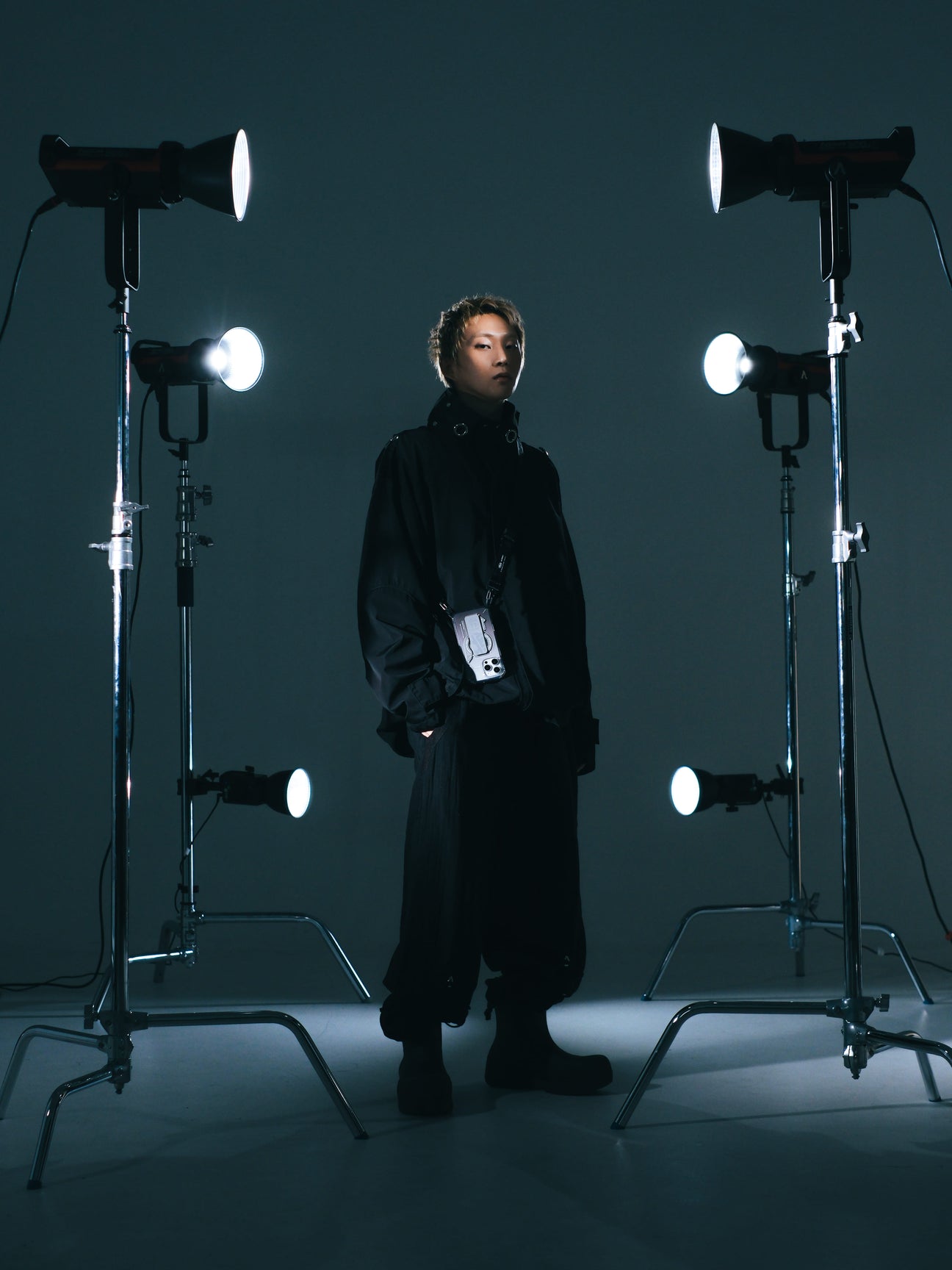
The anchor piece: It could be a tailored blazer, a well-cut trouser, or a structured outerwear layer, as long as it manages to tie everything together and gives the rest of the look a reason to exist.
-
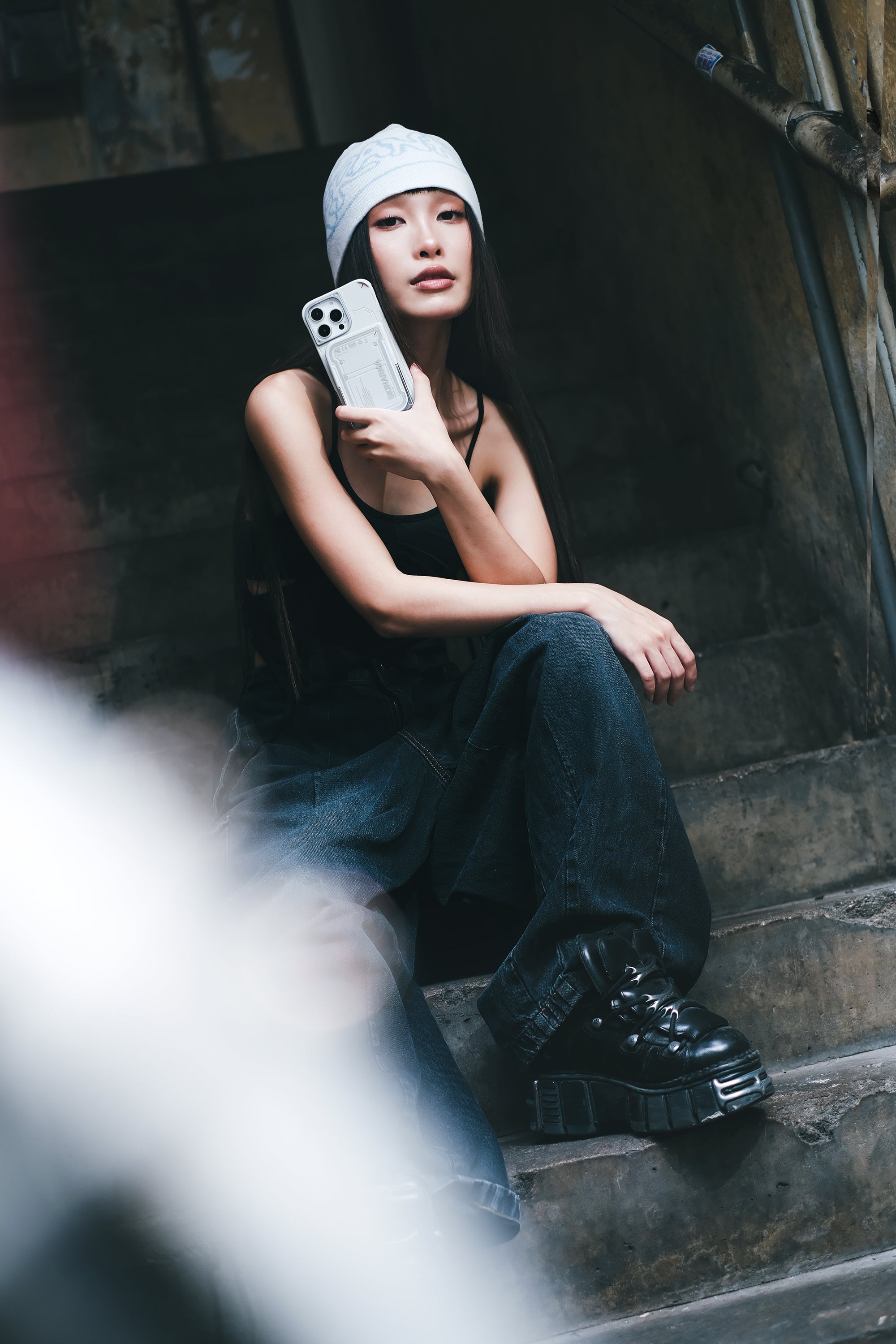
The personal signature: The piece that is distinctly yours, whether that is a specific colorway you return to, a branded cap you always put on, or a crossbody bag in an unexpected material.
-
The tech layer: AirPods, a quality phone case, a watch. The accessories that now carry as much aesthetic information as any item of clothing.
-
The footwear: The gap between clean white sneakers, heritage runners, and chunky leather boots is well understood by Gen Z, and the choice is rarely accidental.
-
The fit logic: It’s there. Whether oversized, tailored, or somewhere between, the silhouette should read as a decision rather than a default.
These Trends Are Showing Up at Work

A handful of aesthetics have made the journey from the feed to the office floor, each with its own internal logic and its own devoted corner of TikTok. Some worth knowing:
-
Office Siren: Pencil skirts, pointed-toe heels, button-downs left strategically open, the whole look assembled with a theatrical precision that references 1980s and ‘90s power dressing without completely committing to it. Retailers like ASOS and Aritzia built dedicated categories around it; actual office workers filled the comment sections with skepticism about whether it would survive HR.
-
Corpcore: The romanticization of corporate dressing as a cultural reference point, drawn from ‘90s Prada and early Miu Miu. Its difference from Office Siren lies in the silhouette, where Corpcore pulls toward something more androgynous, prioritizing bureaucratic structure over curves.
-
Quiet Luxury: Cashmere, tailored wide-leg trousers, clean leather flats, understated accessories in tones that don’t compete with each other. The aesthetic has been bolstered by platforms like Quince, which made the look accessible at a price point that doesn’t require a finance salary to justify.
-
Hybrid Athleisure: Not top-to-bottom gym wear at the office, but a considered integration of athletic silhouettes into semi-professional dressing. Think a structured bomber over pants or technical-fabric trousers that hold their shape across a 12-hour day. The operative distinction is quality. If it could walk into a client meeting without becoming the thing they remember, it passes.
-
Academic / Dark Academia: Tweed blazers, Oxford shirts, plaid trousers, wire-frame glasses worn with the conviction of someone who has opinions about Camus. The aesthetic maps naturally onto certain professional environments like publishing, architecture, and education, where intellectual signaling is part of the JD.
-
Clean Girl: Slicked-back buns, minimal jewelry, fitted basics in bone, cream, or camel. The look is constructed around the appearance of effortlessness, which requires considerably more effort than it suggests.
-
Old Money: Dressing as though the trust fund is implied and the effort is not. The aesthetic’s power is in what it withholds. No need for logos, obvious investment pieces or anything that could pass as a “statement”. Linen and silk with the occasional leather in a shade of tan so specific, it could only have been inherited.
Practicality is Still the Baseline, But No Longer the Whole Story
Practicality has always mattered in workwear. What has changed is its definition. Some time back, practical meant durable, appropriate, and unlikely to draw comment—clothes that performed their social function without friction (the definition of appropriate, it should be said, was not written equally for everyone). What they felt like to the person wearing them was a secondary consideration at best.
Today, that calculus has shifted, and the pandemic accelerated it in ways that were equal parts absurd, clarifying, maybe even terrifying to Boomers. A generation of professionals spent two years on Zoom calls in pyjama bottoms, throwing blazers over decade-old t-shirts minutes before a client meeting, and coming to the realization that the sky did not fall. And when return-to-office kicked in, the preferences that formed in that period did not simply dissolve. Like a revolution, comfort had been reframed, no longer as a concession to laziness, but as a condition for focus.
It’s funny thinking that a generation ago, raising it at all would have been unusual. The expectation today is that professional dress should serve the person wearing it across a full working day, not just hold up for the commute in. Appropriateness and comfort are now weighed alongside each other rather than one automatically overriding the other. Both are on the table. That is new.
The Line Between Work and Personal Style is Getting Blurry

What has emerged from this is something more substantive than a relaxation of standards. The preference, increasingly, is for pieces that earn their place across multiple contexts, such as a blazer that works for the office and dinner and the weekend, or trousers legible in a co-working space and at a Saturday market. The wardrobe as a whole is expected to travel, rather than segment itself by occasion.
There is a values dimension to this that goes beyond convenience. A generation that treats authenticity as a baseline expectation is unlikely to be comfortable performing a version of themselves between 9 and 5 that they abandon the moment they leave the building. People want clothing to show something about who they are, even within professional constraints. When personal style and professional presentation are allowed to move in the same direction, the result is a wardrobe built around identity rather than occasion. That, more than any specific aesthetic or trend category, is the underlying change. It is not one that tightening a dress code can easily reverse.
Small Details Can Do the Heavy Lifting
The outfit earns its keep in the margins.
-
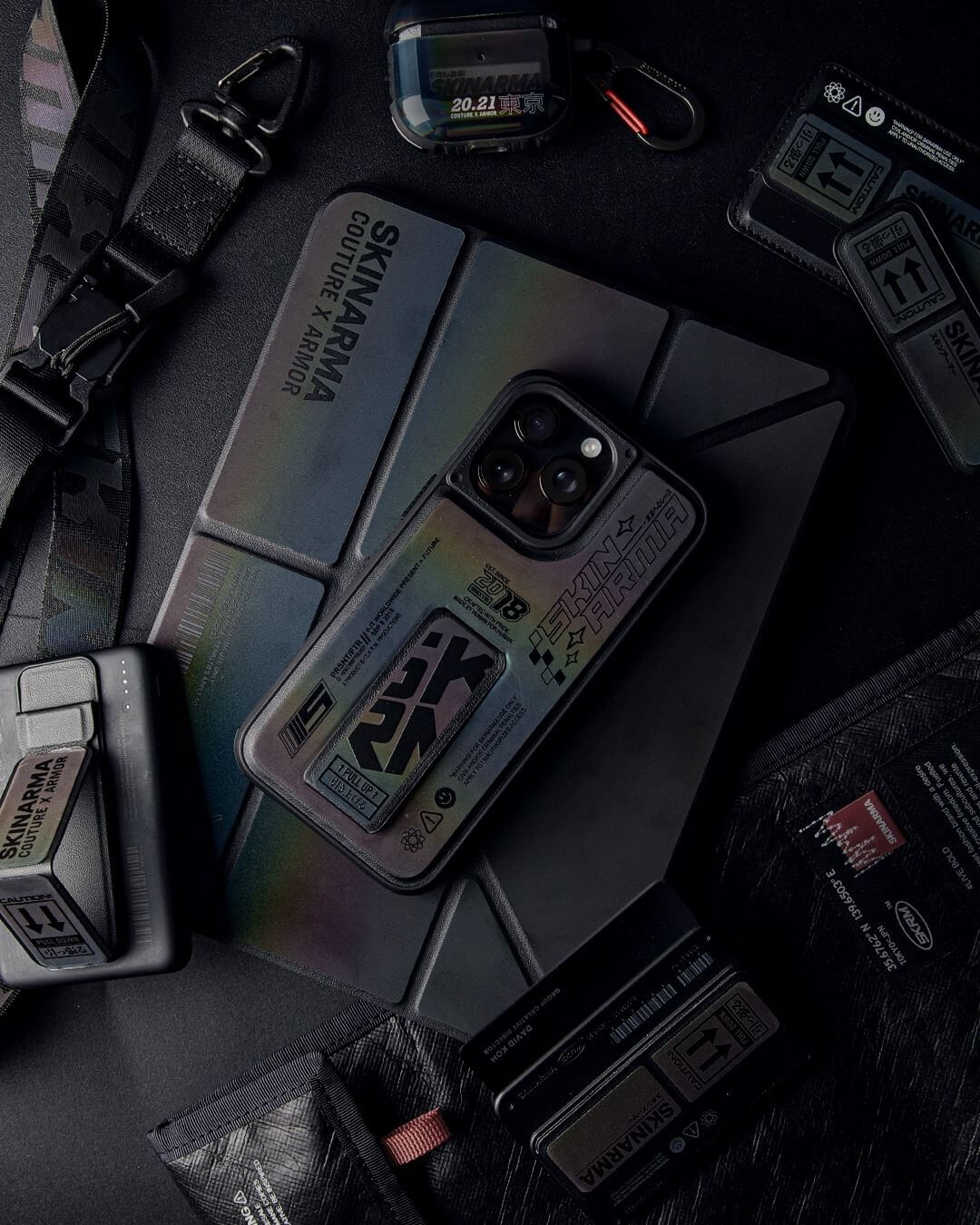
Phone and iPad cases: One of the most consistently visible personal accessories in any professional setting in the digital age. A layered, minimalist, or branded case communicates taste in a way a plain silicone sleeve simply does not, and can quietly elevate whatever else you are wearing.
-
Earbuds and headphones: AirPods have normalized wireless earwear in the office, but the choice of colorway, case design, or brand is now part of the conversation.
-
Jewelry: Chunky gold hoops, layered chains, architectural rings, among others, are pieces with visual weight that can pull a neutral or understated outfit into something that’s considered rather than thrown together.
-
Bags and sleeves: The right bag can do more to legitimize an outfit than almost any item of clothing. Just think about the time a structured tote, a ripstop laptop sleeve, or a crossbody in an unexpected shape caught your eye.
-
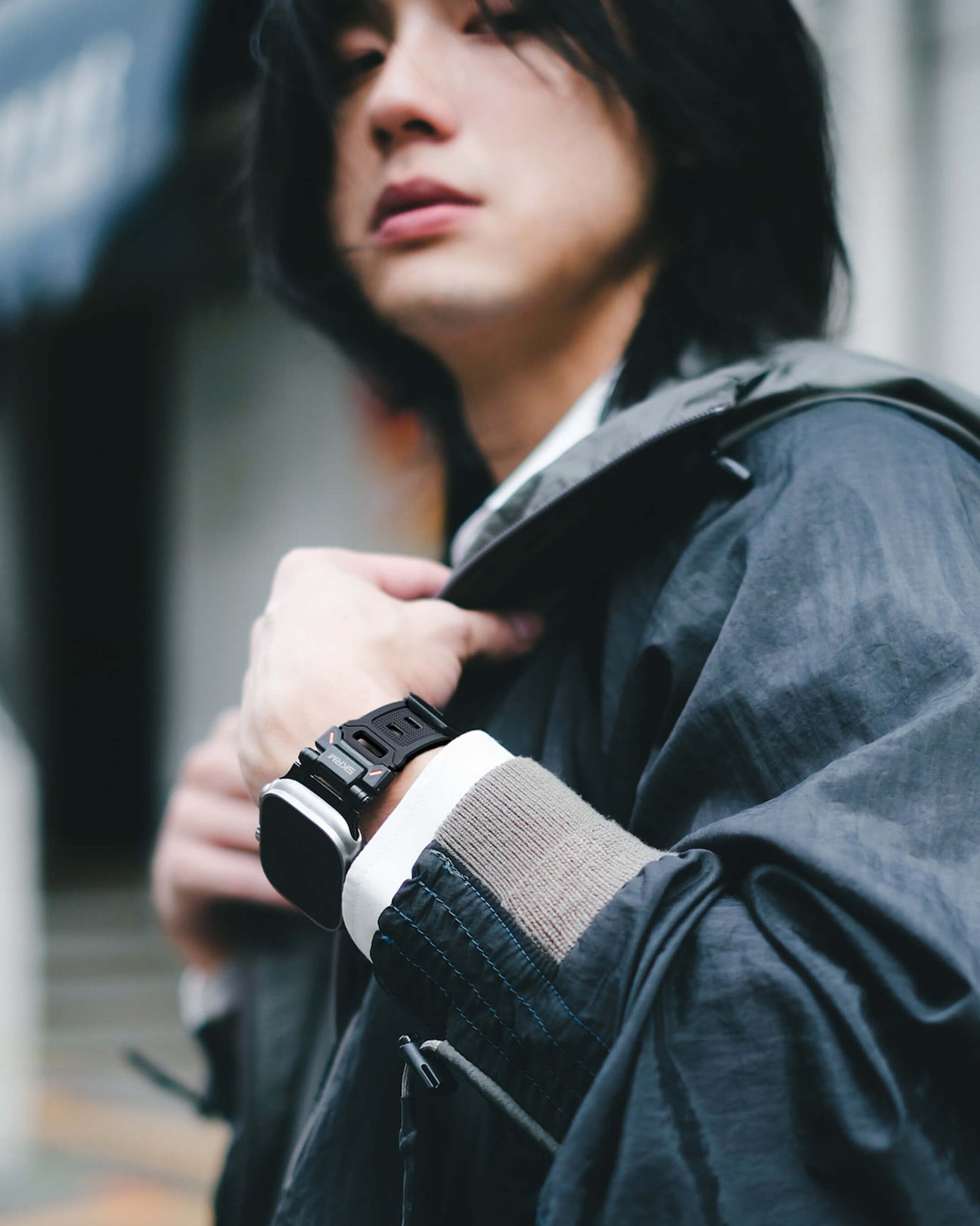
Wristwear: Whether analog or smart, the wrist is prime real estate. Pairing an Apple Watch with a simple bracelet has become its own micro-trend within the hybrid-dressing space.
-
Footwear details: Footwear carries the argument the rest of the outfit only implies. In an office context especially, this generation understands that the leather sneaker and the running shoe occupy entirely different cultural zip codes. Even when they cost the same.
It’s Not a Phase

The forces driving Gen Z’s approach to workwear are compelling enough that they are unlikely to reverse when the next office mandate arrives. Gen Z is projected to make up roughly 30% of the global workforce by 2030, and the values shaping how this cohort gets dressed—a preference for authenticity, for pieces that work across contexts, for clothing that feels personal rather than performative—are not going anywhere. As this generation moves into more senior roles, those values will begin shaping workplace culture from the inside. There will be less resistance. The question, for brands and individuals alike, is how to meet it—with purpose, quality, and enough range to hold up from the morning commute to wherever the day eventually lands.
Shifting Boundaries with SKINARMA
SKINARMA has always occupied the intersection of design precision and subculture awareness, which puts us in a particular position as personal accessories take on more meaning in professional settings. A phone case or tech accessory is no longer a peripheral detail but a true part of the visual vocabulary through which people communicate identity at work. Our design ethos, executed with the attention to detail that daily essentials demand, fits naturally into that conversation. As the boundary between personal style and professional presentation continues to close, the objects you carry every day carry more weight than they used to.
The early bird catches the worm. Get there before the rest of the office does.
Join our SKRM loyalty program. It rewards every purchase with points, puts you at the front of the line for new drops, and delivers style guidance drawn from the culture this brand has always been grounded in.